My Posts
Self-hosted forms and surveys in 2026: revisit Formbricks, LimeSurvey and OpnForm before you collect another response through Google Forms or Typeform
Almost every organisation collects data through forms. Admission enquiries, job applications, event registrations, customer feedback, employee pulse surveys, vendor onboarding. Most of this goes into Google Forms or Typeform because they are quick to start.
Read moreSelf-hosted newsletters and email campaigns in 2026: revisit listmonk, Mautic and Keila before you send another campaign through Mailchimp
Email is still the one marketing channel that a company really owns. Social platforms change their feed rules, ad costs keep rising, but a list of people who asked to hear from you stays with you.
Read moreOpen-source ERP in 2026: revisit ERPNext, Odoo Community and Dolibarr before you move another business onto a new ERP
An ERP is the one application that touches almost everyone in a company. Sales raises the order, stores issue the material, production books the output, accounts raise the invoice and file the tax return, and management reads the numbers at month end.
Read moreSelf-hosted CRM in 2026: revisit Twenty, EspoCRM and SuiteCRM before you move another sales pipeline off Salesforce
A CRM looks simple from outside. It is a list of companies, contacts, deals and follow ups. Inside most organisations, though, the CRM slowly becomes the record of every customer conversation, every quote, every renewal date and every promise a sales person made.
Read moreSelf-hosted e-signature in 2026: revisit Documenso, DocuSeal and OpenSign before you send another contract through DocuSign
Most companies sign more documents than they realise. Offer letters, NDAs with vendors, rental agreements for branch offices, dealer agreements, consent forms and purchase orders all need a signature from someone.
Read moreArtifact repositories in 2026: revisit Sonatype Nexus Repository Community, Pulp and Reposilite before you proxy another package registry
Every build in a company depends on a few servers it does not own. A Maven build reaches out to Maven Central, a frontend build pulls hundreds of packages from the npm registry, and a Python job downloads wheels from PyPI.
Read moreNo-code databases in 2026: revisit NocoDB, Baserow and Teable before you move another team spreadsheet off Airtable
Almost every company has one spreadsheet that quietly became a database. It started as a list of suppliers or a dispatch tracker in Google Sheets.
Read moreSelf-hosted helpdesk and ticketing in 2026: revisit Zammad, FreeScout and osTicket before you move another support inbox
Most support desks in Indian companies did not start as a project. They started as one email address, support@, shared by three people.
Read moreSelf-hosted project tracking in 2026: revisit Plane, OpenProject and Redmine before you move another backlog off Jira
Many Indian software teams did not choose Jira so much as inherit it. Somebody set up a Jira Server licence in 2016, it moved to Data Center when Server ended, and ten years later it holds every bug, every sprint, every customer escalation and half the reasons behind old design decisions.
Read moreSelf-hosted video conferencing in 2026: revisit Jitsi Meet, BigBlueButton and LiveKit before you move another meeting off Zoom
Most Indian companies did not choose their video meeting tool. It arrived in a hurry in 2020, on a credit card, because people had to talk to each other from home.
Read moreSelf-hosted wikis in 2026: revisit BookStack, Wiki.js and Outline before you write another runbook in a shared drive
Ask any support engineer in a growing Indian company where the runbook for a failed nightly job lives, and you will usually get three answers.
Read moreSelf-hosted file sync and share in 2026: revisit Nextcloud, Seafile and OpenCloud before you move another shared drive
Most Indian companies of a few hundred people have the same file story: an old Windows file server with mapped drives that only work in the office, personal Google Drive accounts used by the sales team on phones, and pen drives and large email attachments that nobody can track.
Read moreSelf-hosted team chat in 2026: revisit Mattermost, Rocket.Chat and Zulip before you move another team off Slack
Sooner or later, every growing Indian company has the same conversation about chat. The free plan of a hosted chat tool has started hiding old messages, or the renewal quote for a paid plan has arrived for a few hundred users, or a large customer has asked where the project discussions are stored.
Read moreSelf-hosted email in 2026: revisit Stalwart, mailcow and Mailu before you run another mail server
Every few years, an Indian company with a few hundred people asks the same question about email. The hosted suite renewal has come in higher than last year, or the old mail server set up by a contractor in 2017 is running on an operating system that no longer gets updates, or invoices sent from the ERP have started landing in spam.
Read moreEmbedded key-value stores in 2026: revisit RocksDB, LMDB and Pebble before you build another storage layer
Sooner or later, every backend team meets a problem that looks too small for a database server and too big for a JSON file.
Read moreSelf-service BI in 2026: revisit Apache Superset, Metabase and Lightdash before you build another dashboard
Most companies do not decide to “adopt a BI tool”. They drift into one. An analyst installs something on a spare virtual machine to stop emailing Excel files.
Read moreWide-column databases in 2026: revisit Apache Cassandra, ScyllaDB and YugabyteDB YCQL before you design another partition key
Most teams meet a wide-column database through one table that grew too fast for everything else: an event log per user, a delivery history, a feed or a “last 90 days of activity” screen.
Read moreTeam password managers in 2026: revisit Vaultwarden, Passbolt and Psono before you share another password in a spreadsheet
In most small companies the first password manager is a spreadsheet. It starts with five rows: the domain registrar, the office router, the AWS root account, the payment gateway dashboard and the Wi-Fi.
Read moreVirtualization platforms in 2026: revisit Proxmox VE, XCP-ng and Incus before you migrate another virtual machine
Most virtualization migrations in India over the last two years did not start with an architecture review. They started with a renewal quote.
Read moreHTTP caching in 2026: revisit Varnish and Vinyl Cache, Apache Traffic Server and NGINX before you put another cache in front of your app
Most teams add an HTTP cache on a bad day. The home page is slow during a traffic spike, the database is at 100% CPU, and somebody says “let us just put Varnish in front”.
Read moreInfrastructure access in 2026: revisit Teleport, Boundary and Warpgate before you hand out another SSH key
Every engineering team has an access story it does not like to tell. A new developer joins, and someone appends her public key to authorized_keys on fourteen servers by hand.
Read moreBare-metal load balancers for Kubernetes in 2026: revisit MetalLB, kube-vip and Cilium LB IPAM before you expose another Service
On a cloud cluster, you write type: LoadBalancer in a Service and a minute later an IP address appears. On your own servers, the same line gives you a Service that sits in <pending> forever.
Read moreDistributed coordination in 2026: revisit etcd, ZooKeeper and Consul before you write another leader election
Most teams do not decide to build a distributed coordination system. It creeps in. A scheduled job runs on one VM.
Read moreAI gateways in 2026: revisit LiteLLM, Bifrost and Agent Router before you put another model API key in application code
Most teams did not plan their first AI gateway. It arrived as a side effect. One service called a hosted model with a key from an environment variable.
Read moreInfrastructure monitoring in 2026: revisit Zabbix, Checkmk and Netdata before you add another host to your monitoring
In most Indian companies, monitoring starts with a person, not a tool. Somebody in the IT team logs in to the file server every morning, checks the disk, looks at the UPS panel, pings the branch router, and goes back to work.
Read moreData transformation in 2026: revisit dbt Core v1, dbt v2 and SQLMesh before you write another SQL model
Almost every reporting database has a folder of SQL that nobody fully owns. It starts with one view for daily sales.
Read moreStream processing in 2026: revisit Apache Flink, RisingWave and Arroyo before you write another consumer that keeps state
Most teams that use Kafka have at least one consumer that does more than it should. It started as a simple loop that read events and wrote them somewhere.
Read moreData ingestion in 2026: revisit Airbyte, Meltano and dlt before you write another extract script
Almost every data team has a folder of extract scripts. One pulls orders from the shop platform every night, one reads the payment gateway’s settlement API, one copies a few tables from the ERP database, and one downloads a CSV that somebody uploads to a shared drive.
Read moreGraph databases in 2026: revisit Neo4j Community, Memgraph and Apache AGE before you model another relationship in SQL joins
Most teams do not decide to adopt a graph database. They arrive at it through a query. Somebody asks “which customers are connected to that blocked customer through a shared phone number, bank account or address?
Read moreMQTT brokers in 2026: revisit Eclipse Mosquitto, EMQX and NanoMQ before you connect another device to a broker
Most teams do not choose an MQTT broker. They inherit one. Somebody installed Mosquitto from the distribution package on a small VM years ago, gave every device the same username, and it has been quietly running since.
Read moreInternal tool builders in 2026: revisit Appsmith, ToolJet and Budibase before you build another admin panel
Every growing company ends up with a second, quieter product: the screens its own staff use. Support needs to look up an order and resend an invoice.
Read moreWorkflow automation in 2026: revisit n8n, Node-RED and Activepieces before you wire another business process to a webhook
Most teams first meet workflow automation as a shortcut: draw a few boxes, point a webhook at a SaaS, and declare the process automated.
Read moreChaos engineering in 2026: revisit Chaos Mesh, LitmusChaos and Krkn before you break another thing in production on purpose
Most teams first meet chaos engineering as a slogan: break things on purpose. Somebody installs a chaos tool, deletes a few pods in staging, sees them come back and declares the platform resilient.
Read moreData catalogs in 2026: revisit OpenMetadata, DataHub and Apache Atlas before you add another metadata platform
Most teams do not decide to build a data catalog. They drift into needing one. A new analyst asks which of three “orders” tables is the real one.
Read moreWeb application firewalls in 2026: revisit ModSecurity, OWASP Coraza and BunkerWeb before you put another WAF in front of your app
A web application firewall is one of those things that gets added after a bad week. A penetration test report arrives, or a customer sends a security questionnaire with a line that says “Do you use a WAF?
Read moreStatic code analysis in 2026: revisit Semgrep, Opengrep and SonarQube Community Build before you add another code scanner to CI
Most teams add a code scanner to CI in an afternoon. A YAML job, a default rule pack, a green tick.
Read moreSchema registries in 2026: revisit Confluent Schema Registry, Apicurio Registry and Karapace before you ship another event schema
An event schema looks harmless in a pull request. A few fields, a namespace, maybe a default value. But once a producer starts writing with it, that schema is a contract with every consumer that reads the topic today and every consumer that will replay it next year.
Read moreKubernetes storage in 2026: revisit Rook-Ceph, Longhorn and OpenEBS before you put another database on a persistent volume
Running stateless services on Kubernetes is routine now. Running state is where the calm ends. The moment a database or a file store asks for a PersistentVolumeClaim, somebody must answer: where do those bytes live, how many copies exist, and what happens when a node dies at 2 AM?
Read moreRuntime security in 2026: revisit Falco, Tetragon and Tracee before you trust another runtime alert
Most teams now scan images before they ship and check manifests before they reach the cluster. Then the container starts, and for many of us the story stops there.
Read moreReverse proxies in 2026: revisit NGINX, Caddy and HAProxy before you put another proxy in front of your app
Almost every web application we run has something sitting in front of it. A few virtual machines run the actual code, and one or two small servers in front of them accept HTTPS, keep certificates, spread traffic, hide a dead backend and write the access log.
Read moreContainer engines in 2026: revisit Docker Engine, Podman and containerd before you install another container daemon
On most teams, installing a container engine is the first thing done on a new machine and the last thing anybody thinks about.
Read moreDNS servers in 2026: revisit CoreDNS, PowerDNS and BIND 9 before you add another DNS record by hand
In most companies, somebody still adds internal DNS records by hand. A new database gets an IP address, an engineer logs in to the DNS server, types one line into a zone file or a web console, and saves.
Read moreConfiguration management in 2026: revisit Ansible, Salt and Puppet before you write another server setup script
Almost every team has one: a setup.sh or bootstrap.sh written for the first production server and grown every year since. It installs packages, edits configuration files with sed, creates users and starts services.
Read morePrivacy-friendly web analytics in 2026: revisit Matomo, Plausible and Umami before you add another tracking script
Most teams do not choose their web analytics. Someone pastes a Google tag into the site header during launch week, marketing adds Google Tag Manager a few months later, and after that the analytics setup grows by one script at a time.
Read moreMySQL-compatible databases in 2026: revisit MySQL, MariaDB and Percona Server before you upgrade another database
Most teams that run MySQL do not choose their database every year. They chose it once, long ago, and since then they have only upgraded it, or not upgraded it.
Read morePython dependency tooling in 2026: revisit pip, Poetry and uv before you rebuild another virtualenv
Every Python team has the same conversation at least once a year. One developer has started using uv on a side project and wants to move every service to it, because installs that took a minute now take a few seconds.
Read moreKubernetes packaging in 2026: revisit Helm, Kustomize and Timoni before you template another YAML file
Sooner or later every team on Kubernetes has the same argument. One person says Helm charts have become unreadable and the team should move to plain YAML with Kustomize overlays.
Read moreServer-side JavaScript runtimes in 2026: revisit Node.js, Deno and Bun before you move another service off Node.js
Every few months someone in a JavaScript team asks the same question: should we move this service to Bun, or to Deno?
Read moreSelf-hosted CI in 2026: revisit Jenkins, Woodpecker CI and Tekton before you add another build agent
Most teams that keep builds on their own servers did not choose their CI engine recently. It was chosen years ago, by someone who may have left, on a machine that has been upgraded “when there was time”.
Read moreServer-side WebAssembly in 2026: revisit Wasmtime, WasmEdge and Wasmer before you run another customer plug-in
Sooner or later, many business products are asked for the same feature: “let our customers write their own rules”. A pricing formula, a validation check, a custom field calculation, a small webhook transformer.
Read moreContainer sandboxing in 2026: revisit gVisor, Kata Containers and Firecracker before you run another untrusted workload
A normal container is a set of Linux processes with namespaces, cgroups, capabilities and a seccomp profile around them. That is a good packaging boundary and a reasonable resource boundary.
Read moreKubernetes backup in 2026: revisit Velero, K8up and Kanister before you trust another cluster restore
Most Kubernetes teams can rebuild a Deployment in two minutes. Fewer can say how long it takes to get back the data that Deployment was using.
Read moreBackground jobs on PostgreSQL in 2026: revisit River, Graphile Worker and Oban before you add Redis just for a job queue
Most web applications need background jobs. Send an SMS after a payment, build a PDF, call a slow partner API, recalculate a report at night.
Read moreDependency updates in 2026: revisit Renovate, Dependabot and Updatecli before another library falls three majors behind
A dependency rarely breaks your system on the day it goes out of date. It breaks it eighteen months later, when a security fix lands only on a major version you skipped, and the upgrade that should have been a ten minute review becomes a two week project.
Read moreSecret scanning in 2026: revisit Gitleaks, TruffleHog and detect-secrets before another API key lands in a commit
Picture a software company in Bhubaneswar that builds cold chain tracking and export paperwork software for seafood processors and exporters along the Odisha and north Andhra coast (an invented example, not a real client).
Read moreKubernetes pod networking in 2026: revisit Cilium, Calico and Flannel before you pick another CNI plugin
Picture a software company in Mangaluru that builds billing and stock software for chemists (an invented example, not a real client).
Read moreContainer image signing in 2026: revisit cosign, Notation and in-toto attestations before you trust another image tag
Picture a software company in Rajkot that builds production planning and job work software for foundries, forging units and engineering workshops across Saurashtra (an invented example, not a real client).
Read moreMesh VPNs in 2026: revisit Headscale, NetBird and plain WireGuard before you open another SSH port to the internet
Take a pump manufacturer in Coimbatore that makes agricultural and domestic pumps at two plants, one near the city and a smaller one at Kaniyur (an invented example, not a real client).
Read moreUptime monitoring in 2026: revisit Uptime Kuma, Gatus and the Blackbox Exporter before a customer tells you the site is down
Take a travel company in Udaipur that runs an online booking site for about 140 heritage hotels, lake-side guest houses and homestays in Udaipur, Kumbhalgarh and Mount Abu (an invented example, not a real client).
Read moreSQLite in production in 2026: revisit Litestream, rqlite and LiteFS before you add another database server for a small app
Picture a small software company in Madurai that builds a job card app for about 60 two-wheeler service centres across southern Tamil Nadu (an invented example, not a real client).
Read moreTLS certificate automation in 2026: revisit cert-manager, Certbot and step-ca before the next certificate expires on you
Think of a bicycle and auto parts manufacturer in Ludhiana that sells through about 400 dealers across Punjab, Haryana, Rajasthan and the hill states (an invented example, not a real client).
Read moreIn-process analytics in 2026: revisit DuckDB, Polars and chDB before you spin up another warehouse for a small question
Think of a knitwear exporter in Tiruppur that makes T-shirts, polos and kids’ wear for buyers in Europe, the US, the Gulf and Japan (an invented example, not a real client).
Read moreVulnerability scanners in 2026: revisit Trivy, Grype and OSV-Scanner before you trust another green scan
Picture a small software company in Bhubaneswar that builds claims and pre-authorisation software for hospitals that deal with health insurance TPAs (an invented example, not a real client).
Read moreTime series databases in 2026: revisit TimescaleDB, QuestDB and InfluxDB 3 Core before you store another sensor reading
Take a cold-chain company in Nashik that runs pre-cooling and cold storage chambers for export grapes and onions at four sites: MIDC Ambad, Pimpalgaon Baswant, Dindori and Niphad (an invented example, not a real client).
Read moreLightweight Kubernetes in 2026: revisit k3s, k0s and Talos Linux before you stand up another small cluster
Picture a software company in Visakhapatnam that builds gate and yard software for container freight stations around the Visakhapatnam and Gangavaram ports, with two more customers at Kakinada and one inland depot near Vizianagaram (an invented example, not a real client).
Read moreSelf-hosted Git forges in 2026: revisit Gitea, Forgejo and GitLab CE before you move another repository
Picture a software company in Kochi that builds billing and export-documentation software for seafood exporters in Aroor, Alappuzha, Kollam and Thoothukudi (an invented example, not a real client).
Read moreSelf-hosted error tracking in 2026: revisit Sentry, GlitchTip and Bugsink before you ship another stack trace
Picture a diagnostic lab chain headquartered in Mysuru, with collection centres in Mandya, Hassan, Madikeri, Hunsur and Chamarajanagar (an invented example, not a real client).
Read moreSelf-hosted search in 2026: revisit Meilisearch, Typesense and Manticore Search before you add another search box
Picture an electrical and hardware distributor headquartered in Vadodara, with warehouses in Anand, Bharuch, Godhra, Rajkot and Surat (an invented example, not a real client).
Read moreMongoDB alternatives in 2026: revisit Percona Server for MongoDB, FerretDB and DocumentDB before you migrate another collection
Picture a diagnostic lab chain headquartered in Guwahati, with collection centres in Shillong, Jorhat, Silchar, Dibrugarh and Tezpur (an invented example, not a real client).
Read morePostgreSQL backups in 2026: revisit pgBackRest, WAL-G and Barman before you trust another restore
Picture a company in Bhopal that runs a cab and auto-rickshaw dispatch and fare platform for Bhopal, Indore, Ujjain and Dewas (an invented example, not a real client).
Read moreLoad testing in 2026: revisit Grafana k6, Locust and Gatling before you run another performance test
Picture a company in Lucknow that hosts exam results and admit cards for several state boards and universities across Uttar Pradesh and Bihar (an invented example, not a real client).
Read moreKubernetes secrets delivery in 2026: revisit External Secrets Operator, Sealed Secrets and SOPS before you commit another Secret YAML
Picture a platform team in Jaipur that runs a multi-tenant SaaS product on Kubernetes across Rajasthan and Delhi NCR (an invented example, not a real client).
Read moreLog storage in 2026: revisit Grafana Loki, VictoriaLogs and OpenObserve before you keep another month of logs
Picture a platform team in Pune that runs a B2B lending stack for NBFCs across Maharashtra and Gujarat (an invented example, not a real client).
Read moreContainer registries in 2026: revisit Harbor, Zot and CNCF Distribution before you push another image
Picture a product engineering team in Bengaluru that runs about forty microservices on Kubernetes for a B2B payments product used by NBFCs across Karnataka and Maharashtra (an invented example, not a real client).
Read moreSchema migrations in 2026: revisit Atlas, Flyway and Liquibase before you ship another ALTER
Picture a retail SaaS company in Coimbatore that runs order management for textile wholesalers across Tamil Nadu (an invented example, not a real client).
Read moreChange data capture in 2026: revisit Debezium, Apache Flink CDC and PeerDB before you stream another table
Picture a SaaS company in Pune that runs billing for FMCG distributors across Maharashtra (an invented example, not a real client).
Read moreAuthorization in 2026: revisit OpenFGA, SpiceDB and Cerbos before you hard-code another permission check
Picture a SaaS company in Nagpur that sells loan-origination software to cooperative banks across Vidarbha and Marathwada (an invented example, not a real client).
Read moreLLM inference serving in 2026: revisit vLLM, SGLang and llama.cpp before you put another model behind an API
Picture a product engineering team at a mid-size SaaS in Kochi that builds support automation for Indian NBFCs (an invented example, not a real client).
Read moreKubernetes autoscaling in 2026: revisit Karpenter, Cluster Autoscaler and KEDA before you scale another node
Picture a mid-size ecommerce SaaS in Ahmedabad with about 2,200 active sellers (an invented example, not a real client). Its platform team of eight runs checkout, catalogue, search and about 55 other services on Kubernetes on a public cloud.
Read moreContinuous profiling in 2026: revisit Grafana Pyroscope, Parca and the OpenTelemetry eBPF profiler before you store another flame graph
Picture a GST invoicing SaaS in Pune with about 1,800 business customers (an invented example, not a real client). Its platform team of six runs about 40 services, mostly Go with a few Java and Python ones, on a 12-node Kubernetes cluster.
Read moreData pipeline orchestration in 2026: revisit Apache Airflow, Dagster and Prefect before you schedule another DAG
Picture a two-wheeler loan company in Coimbatore with about ninety branches (an invented example, not a real client). Its data team of five runs about 140 cron jobs on two Linux VMs: shell scripts that pull collections files from a payment gateway SFTP, Python scripts that clean them, and SQL that loads a PostgreSQL reporting database every night.
Read moreBackups in 2026: revisit restic, BorgBackup and Kopia before you trust another backup job
Picture a GST and accounting services firm in Surat with fourteen branches (an invented example, not a real client). Each branch has a small Linux file server for scanned invoices and client folders, the head office runs a PostgreSQL database for its billing and compliance tracker, and about forty staff laptops hold working copies of return files.
Read moreAPI gateways in 2026: revisit Kong, Apache APISIX and Traefik before you put another gateway in front of your services
Picture an agri-inputs distributor in Indore (an invented example, not a real client). Dealers order seed, fertiliser and crop-protection products from a mobile and web app.
Read moreDistributed tracing in 2026: revisit Jaeger, Grafana Tempo and SigNoz before you store another span
Picture a bus, train and hotel booking platform in Kochi (an invented example, not a real client). Customers book from an Android app, an iOS app and a web app.
Read moreFeature flags in 2026: revisit Unleash, Flagsmith and GrowthBook before you hard-code another release toggle
Picture a test-preparation and online classes platform in Jaipur (an invented example, not a real client). Students use an Android app, an iOS app and a React web app.
Read moreLakehouse table formats in 2026: revisit Apache Iceberg, Delta Lake and Apache Hudi before you pick another format
Picture a payments and lending analytics platform in Hyderabad (an invented example, not a real client). Card authorisations and EMI schedules still land in PostgreSQL 16.
Read moreReal-time OLAP in 2026: revisit ClickHouse, Apache Doris and StarRocks before you build another dashboard warehouse
Picture an ecommerce and last-mile logistics platform in Bengaluru (an invented example, not a real client). Order capture and inventory still run on PostgreSQL 16.
Read moreDistributed SQL in 2026: revisit CockroachDB, YugabyteDB and TiDB before you shard or go multi-region
Picture a mutual fund and stockbroking platform in Mumbai (an invented example, not a real client). Its order book and client ledger run on PostgreSQL 16 with Patroni across three VMs in one cloud region, and a rewards service runs on MySQL 8.
Read moreDurable execution in 2026: revisit Temporal, Restate and DBOS before you hand-roll retries, sagas and cron jobs
Picture an online pharmacy and diagnostics booking company in Ahmedabad (an invented example, not a real client). An order goes through five steps: hold the medicine stock, take the UPI payment, book a courier slot, send the customer an SMS, and, if the courier cannot pick up within four hours, release the stock and refund.
Read moreKubernetes admission policy in 2026: revisit Kyverno, Gatekeeper and ValidatingAdmissionPolicy before you add another policy engine
Picture a health insurance technology company in Chennai (an invented example, not a real client). Its platform team runs eleven Kubernetes clusters.
Read moreContainer image builds in 2026: revisit BuildKit, Buildah and kaniko before you change your CI builder
Picture a payments software company in Pune (an invented example, not a real client). Since 2021 its GitLab runners on Kubernetes have built every service image with gcr.
Read morePostgreSQL high availability: revisit Patroni and CloudNativePG before your next failover
Picture a lending company in Bengaluru (an invented example, not a real client). Its loan ledger runs on PostgreSQL 16 across three VMs, managed by Patroni with a three-node etcd cluster and HAProxy in front.
Read moreFluent Bit, Vector and the OpenTelemetry Collector: revisit your log pipeline before you ship more logs
A logistics company in Pune runs about 600 pods across three Kubernetes clusters. A Fluentd DaemonSet, set up in 2019 with a dozen Ruby plugins, ships about 25 crore log lines a day to Loki.
Read moreRabbitMQ, NATS and Kafka queues: revisit your message queue before you add another broker
A health insurance company in Hyderabad processes claims through RabbitMQ: three nodes on 3.13 with classic mirrored queues, about 40 lakh messages a day, from claim documents to OCR, OCR results to fraud checks and approvals to payments.
Read moreVector search in 2026: revisit pgvector, Qdrant, Milvus, Weaviate before you add a vector database
An e-commerce company in Pune runs customer support on PostgreSQL. The database holds about 2 million help articles, product Q&A threads and resolved tickets, in English and a fair amount of Hinglish.
Read moreService mesh in 2026: revisit Istio ambient, Linkerd and Cilium before you add sidecars
A logistics company in Bengaluru runs a production Kubernetes cluster with 14 nodes and about 420 pods. Three requests landed in one sprint.
Read moreKeycloak and its alternatives: revisit your identity provider before you standardise SSO
A SaaS company in Hyderabad runs Keycloak 24 on two virtual machines. It was set up in 2024 for about 60 internal tools and has worked quietly since.
Read moreArgo CD and Flux: revisit your GitOps controller before you scale or migrate
A platform team in Pune looks after 14 Kubernetes clusters. Most of them are managed by one central Argo CD instance that the team set up in 2021.
Read morePrometheus long-term storage: revisit Thanos, Mimir and VictoriaMetrics before you scale
A platform team runs two Prometheus servers per cluster as an HA pair, with 15 days of local retention. In one quarter, three requests arrive: the SRE lead wants a year of history for capacity planning, a product team adds a customer_id label to a request metric, and the auditors ask what happens to metrics when a disk dies.
Read morePgBouncer and its alternatives: revisit your PostgreSQL connection pooler
A team runs about forty services on Kubernetes against one PostgreSQL primary. During a sale, the autoscaler adds pods, each opens its own pool of ten connections, and PostgreSQL starts refusing logins with “remaining connection slots are reserved”.
Read moreVault and OpenBao: revisit your secrets manager before you renew or migrate
A platform team runs a three-node Vault Community cluster for about sixty services. In one week, a product group asks for its own isolated tenant, which in Vault means namespaces, an Enterprise feature, and finance asks whether the Enterprise quote is really needed.
Read moreRedis, Valkey, and Dragonfly clients: revisit your connection settings before the next failover
An order service runs on Valkey with Sentinel. At 2 AM the team runs a planned failover before patching the primary.
Read moreIngress NGINX retirement: revisit your Kubernetes ingress before you migrate
A platform team plans its Kubernetes 1.37 upgrade for the next sprint. The cluster checklist is green, except one line nobody owns: the ingress-nginx Helm chart, pinned at 4.
Read moreRedis, Valkey, and Dragonfly memory and upgrades: revisit before the next spike
A payments team runs its session cache with maxmemory 12gb on a 16 GB node and feels safe. On a festival sale evening a replica reconnects, a reporting job pulls a few huge hashes, and the kernel kills the process while used_memory still shows less than 12 GB.
Read morePostgreSQL asynchronous I/O: revisit your settings before you upgrade
A team upgrades its reporting database from PostgreSQL 16 to 18 over a weekend. On Monday the nightly scans finish a little faster, and nobody knows why, because nobody changed a setting.
Read moreIdempotency keys: revisit your retries before they charge twice
A customer taps “Pay”, the spinner keeps turning, the mobile network drops and the app tries again. Between that phone and your database, an SDK, a proxy or a queue consumer may also try again.
Read moreMinIO and its alternatives: revisit your self-hosted S3 in 2026
For many teams, MinIO was the default answer to one simple need: “give us S3 on our own machines”. It sat behind CI pipelines, backup jobs, data lake experiments and almost every docker-compose file that needed a bucket.
Read moreElasticsearch and OpenSearch: revisit the fork before you pick one
Many teams still talk about “our Elastic cluster” when the cluster is actually Amazon OpenSearch Service, or about “OpenSearch” when half the code paths still use an old Elasticsearch client.
Read moreKafka and Redpanda: revisit the choice before you treat them as the same bus
Many teams say “we run Kafka” when they mean “our services talk to a Kafka-compatible broker”. That shortcut was useful when one open source broker dominated the protocol.
Read moreOpenTofu and Terraform: revisit the fork before you pick one
Many teams picked Terraform years ago and have not looked at the choice since. In August 2023 its licence changed and a fork appeared.
Read moreRedis, Valkey, and Dragonfly operations: persistence and failover
A cache becomes a database the day nobody can rebuild it. After that day, persistence and failover are not settings copied from a blog.
Read moreRedis, Valkey, and Dragonfly benchmarks: read the method first
A benchmark number without its method sounds complete, but it does not tell you what happened. The first note in this series, Redis, Valkey, or Dragonfly: revisit the choice before you treat them as the same cache, covered licences, history, data file compatibility, and cluster mode.
Read moreRedis, Valkey, or Dragonfly: revisit the choice before you treat them as the same cache
If your service already uses Redis, the name on the port has not changed. The product behind that name has. Treating Redis, Valkey, and Dragonfly as three labels for one cache is the habit worth unlearning.
Read more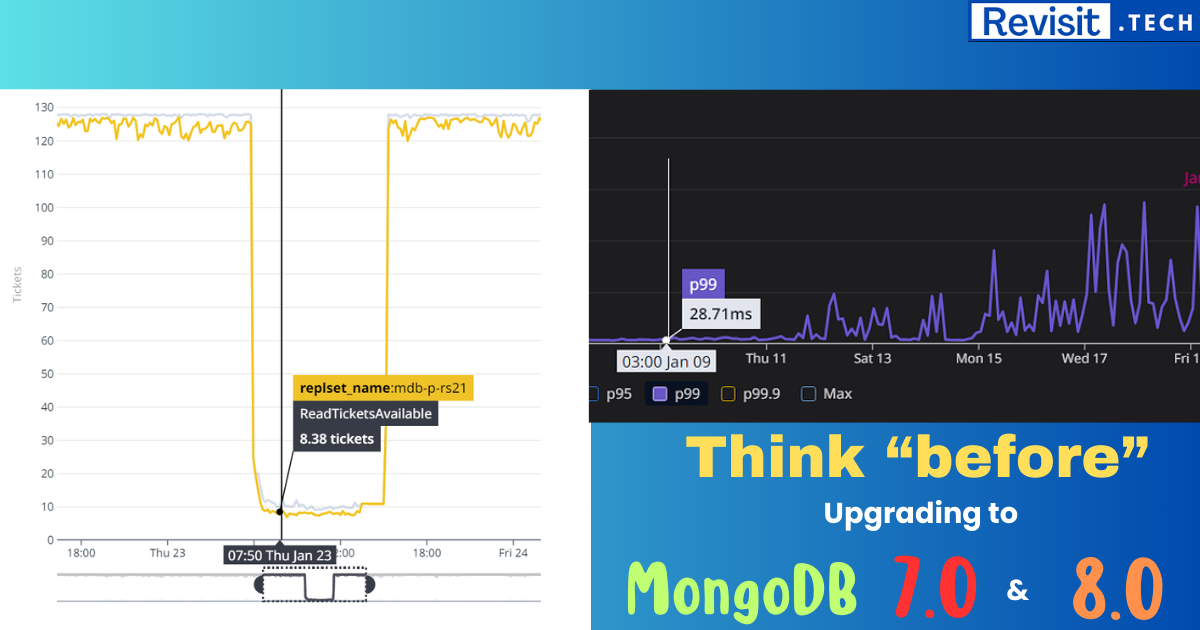
MongoDB 8.0 Performance is 36% higher, but there is a catch…
TLDR: If your app is performance critical, think twice, thrice before upgrading to MongoDB 7.0 and 8.0. Here is why…
Read more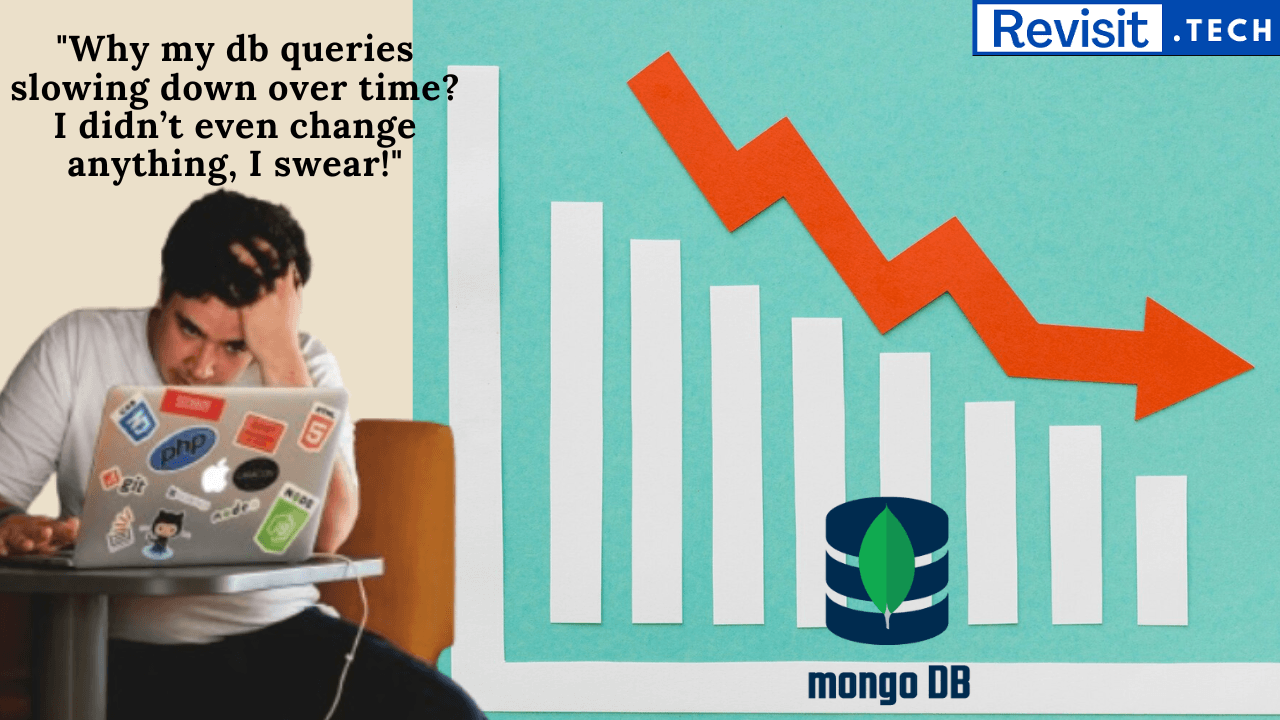
MongoDB Decay Over Time: How Deletes and Updates Clog Your Database
MongoDB is widely recognized for its flexibility, scalability, and ease of use. However, like many databases, MongoDB’s performance can deteriorate over time, especially in environments with frequent delete and update operations.
Read more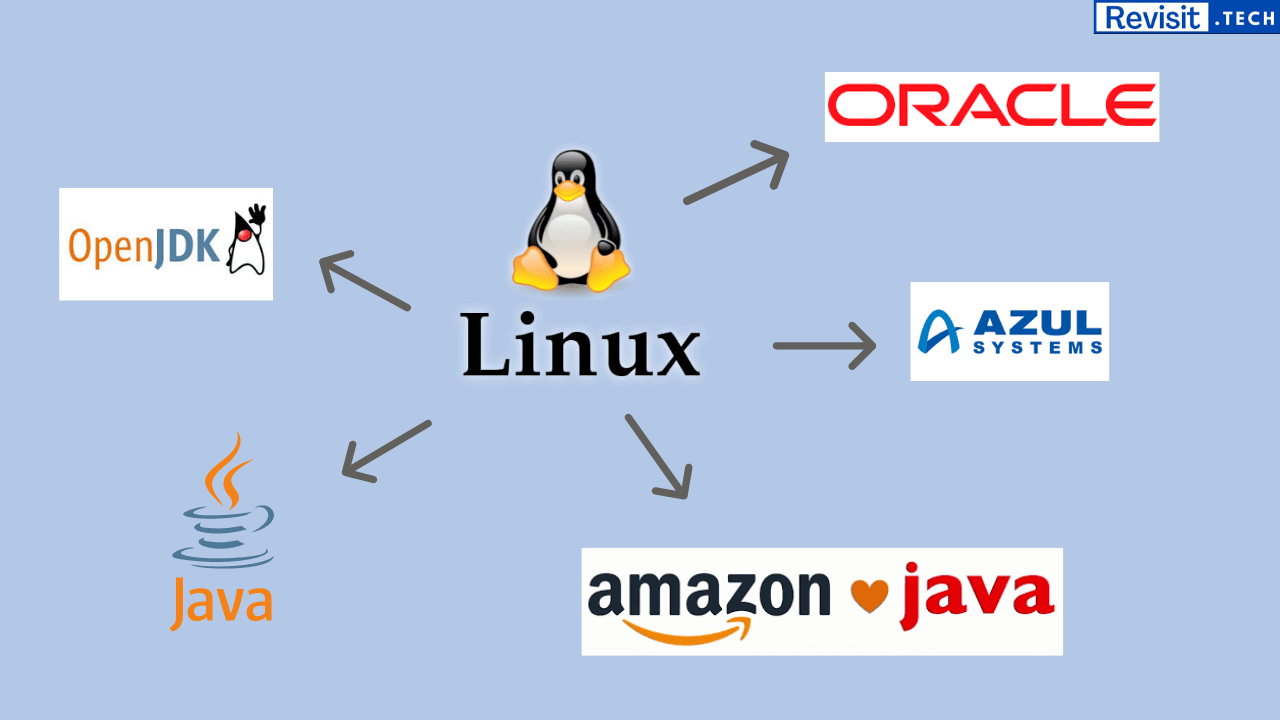
Installing multiple JDK in Linux
Before we begin installing Java in our system, we should check if it is already installed or not. To do so we can run the below command in our terminal:
Read more
Listing files & directories in Linux
Listing files & directories in Linux/Unix-based systems is very easy. Also, there are some options that you may find useful in the day-to-day usage of Unix-based operating systems.
Read more